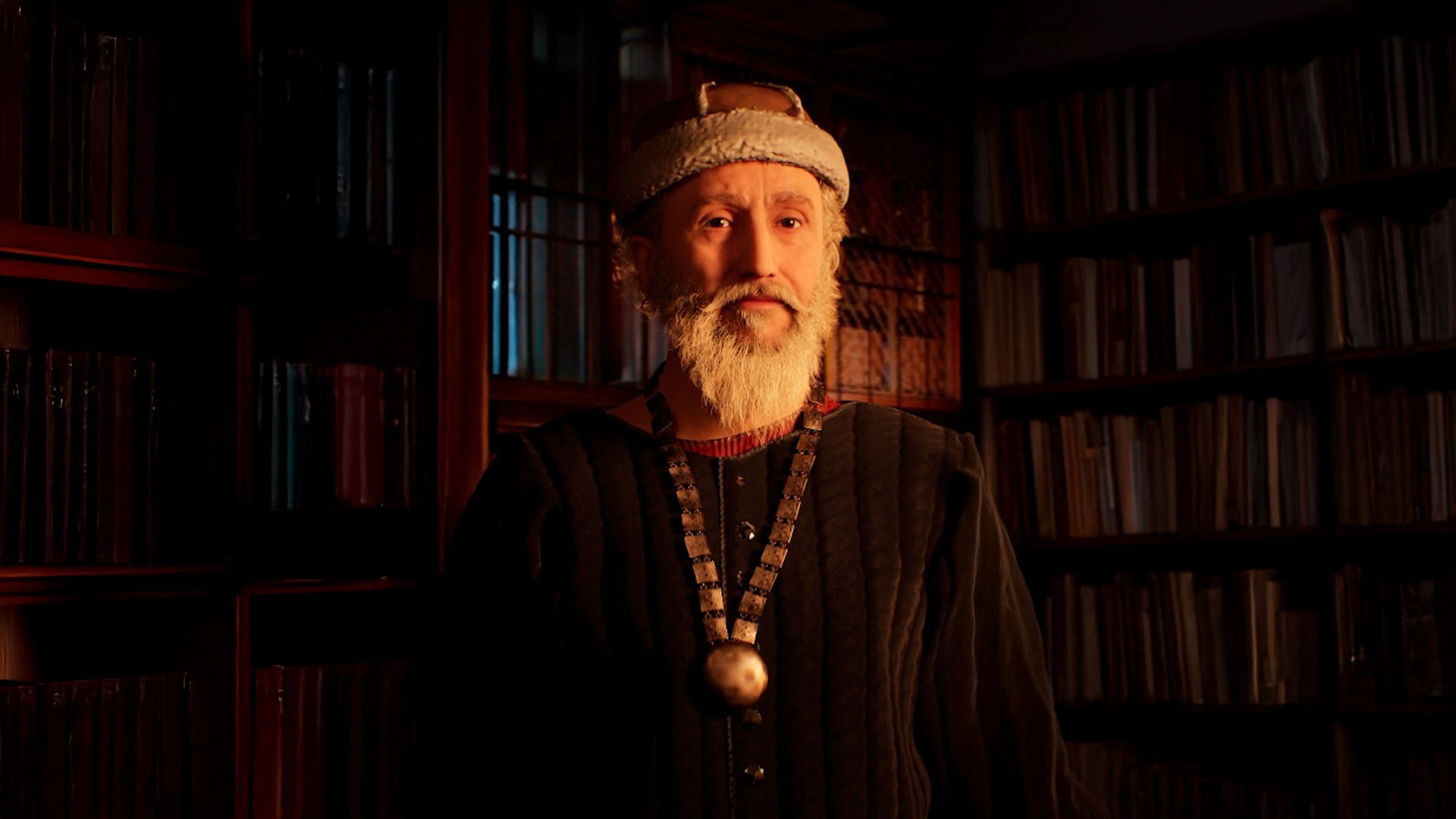
With "Talk to History" you transform exhibitions, archives, and historical personalities
into lively dialogues – multilingual, immersive, and approachable.
History is not only given a voice, but also a place.

All data at one touchpoint
Your cultural knowledge. All in one place. As a living experience.
Every institution possesses valuable knowledge: collections, archives, research, exhibition texts, object descriptions, eyewitness accounts, educational materials, and local stories. Talk to History turns this into an intelligent knowledge base that people can converse with naturally. Visitors no longer just ask, "What is written here?"; they ask, "Why was this important?" or "What did that feel like?"
Connecting knowledge
Integrate selected content from your institution: texts, PDFs, archives, exhibition materials, FAQs, educational concepts, or existing knowledge bases. This creates an AI experience based on your verified content—not arbitrary, but curated, reliable, and closely aligned with your values.
Curating knowledge
Aggregate sources
Connect content
Manage responses
Maintain composure

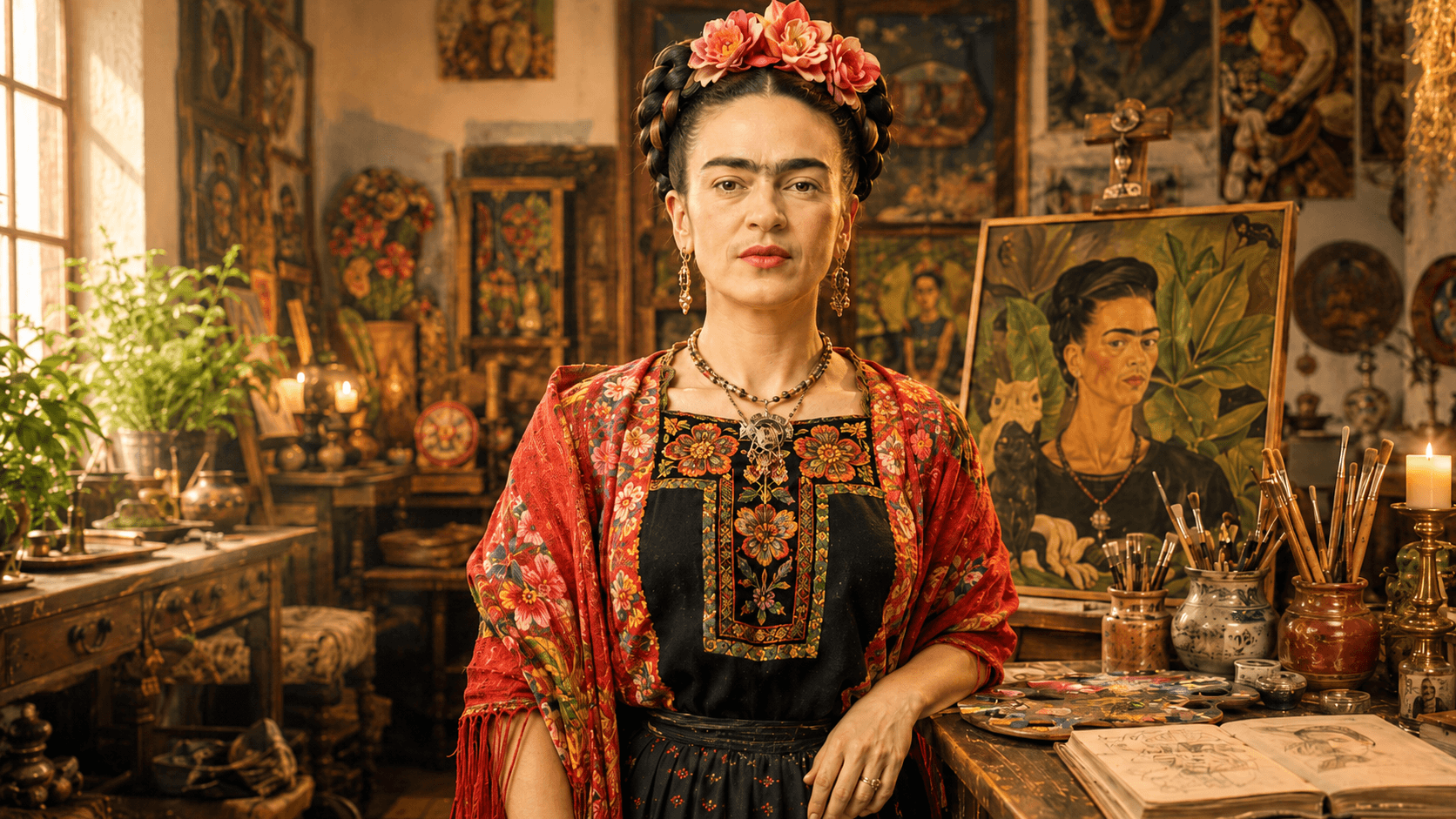
EXHIBITION BECOMES DIALOGUE
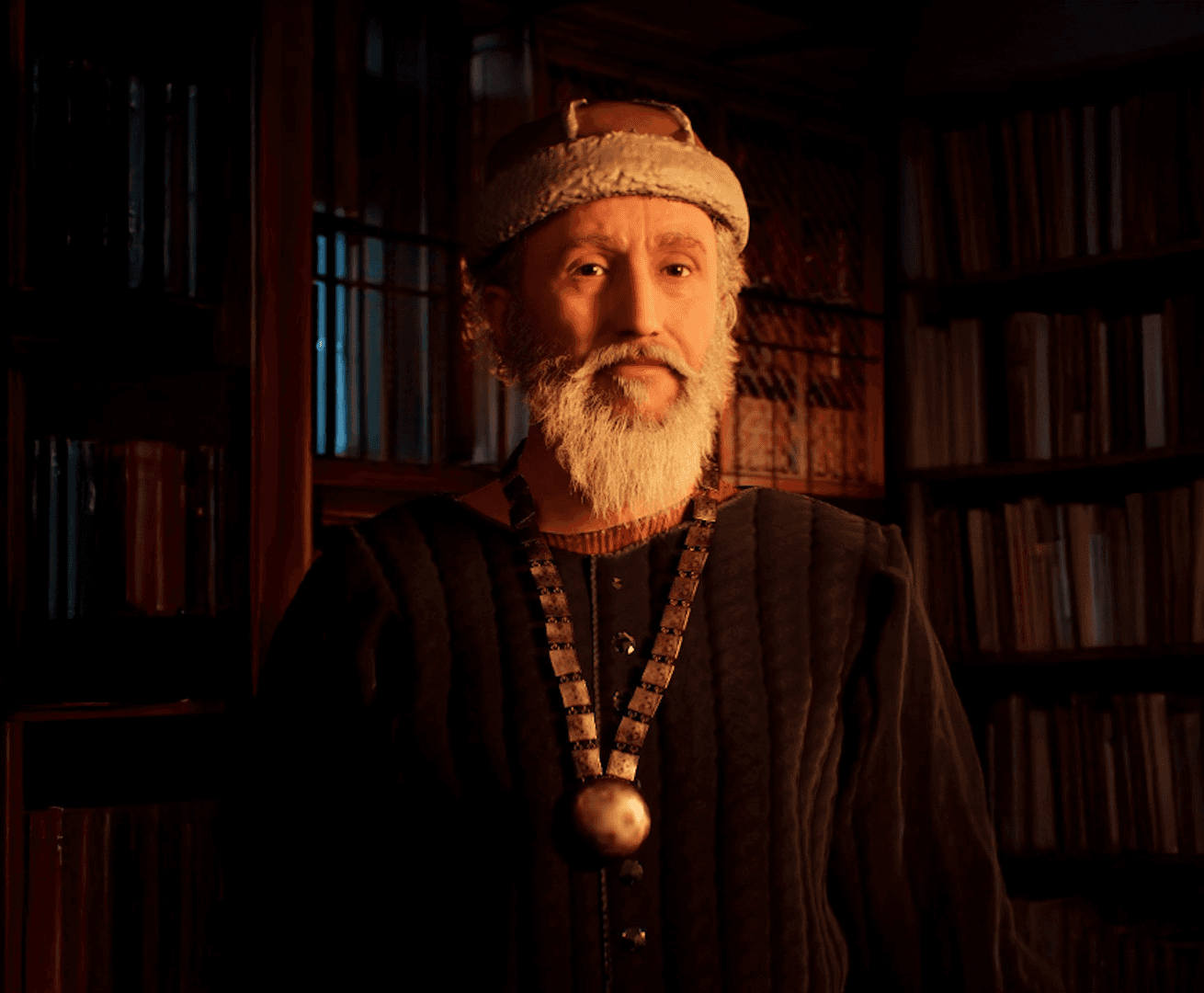
Transform historical figures and artists into interactive personalities. Visitors do not just receive information, but experience a narrative encounter. Whether a museum guide, historical witness, artist, researcher, or local character, every voice can be tailored to match your exhibition.
Speaking figures
Living history
Staged Voices
Authentic characters
Immersive encounters
UNDERSTANDING INTEREST
Discover which questions your visitors are really asking. Which topics fascinate them? Which stories spark curiosity? These insights help you continuously align exhibitions, interpretation, education, and communications more closely with your audience.
Recognize questions
Interest Signals
Topic Trends
Curiosity pattern
Addressing Questions

Go Beyond the Basics
Develop offers that attract new visitors.
Cultural institutions today compete with social media, streaming, gaming, and digital experiences. Anyone who wants to reach new target groups must create formats that are emotional and interactive. Talk to History expands your exhibition with an experience that sparks curiosity in visitors.
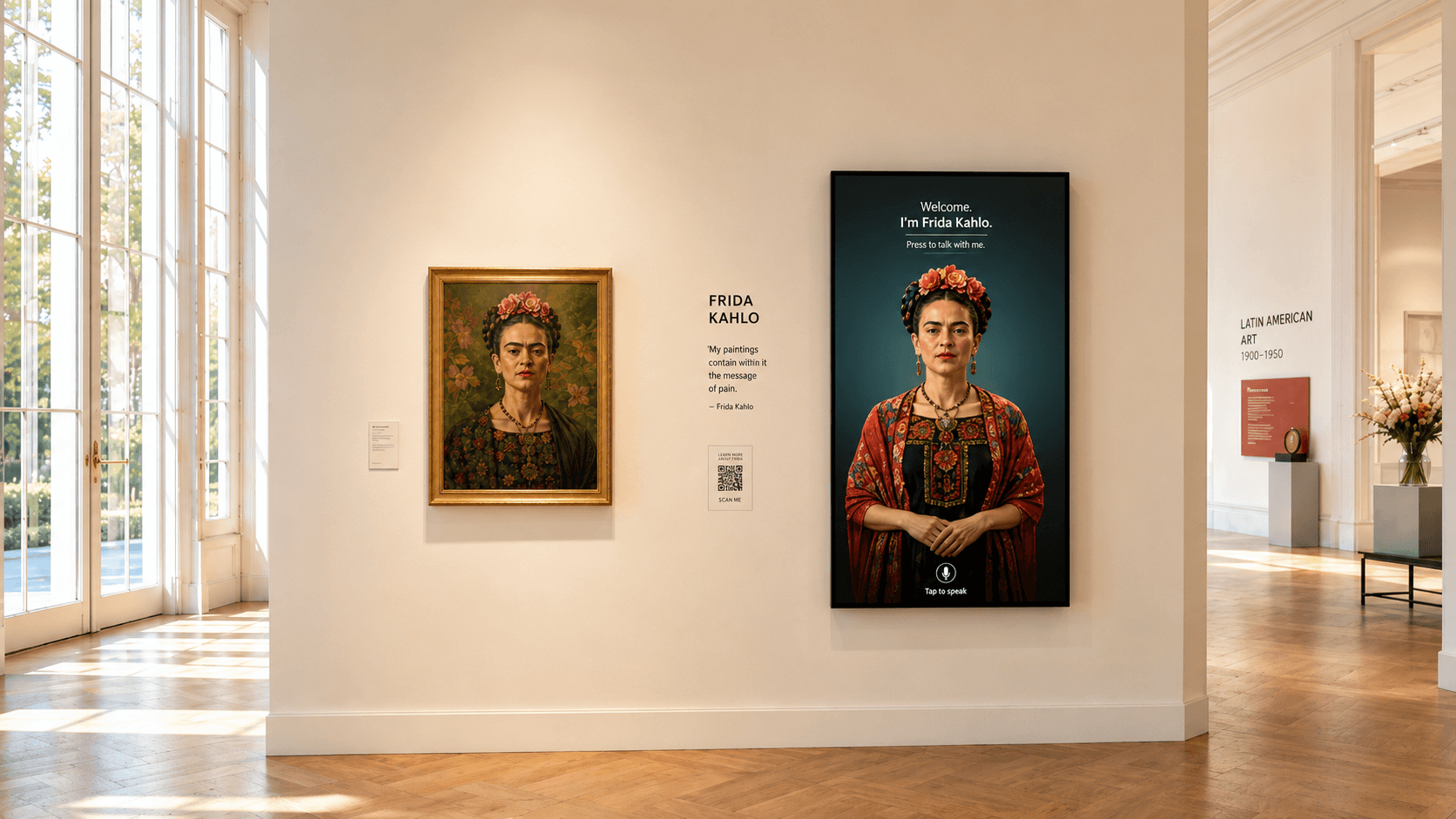
For museums &
exhibitions

For Education &
Outreach
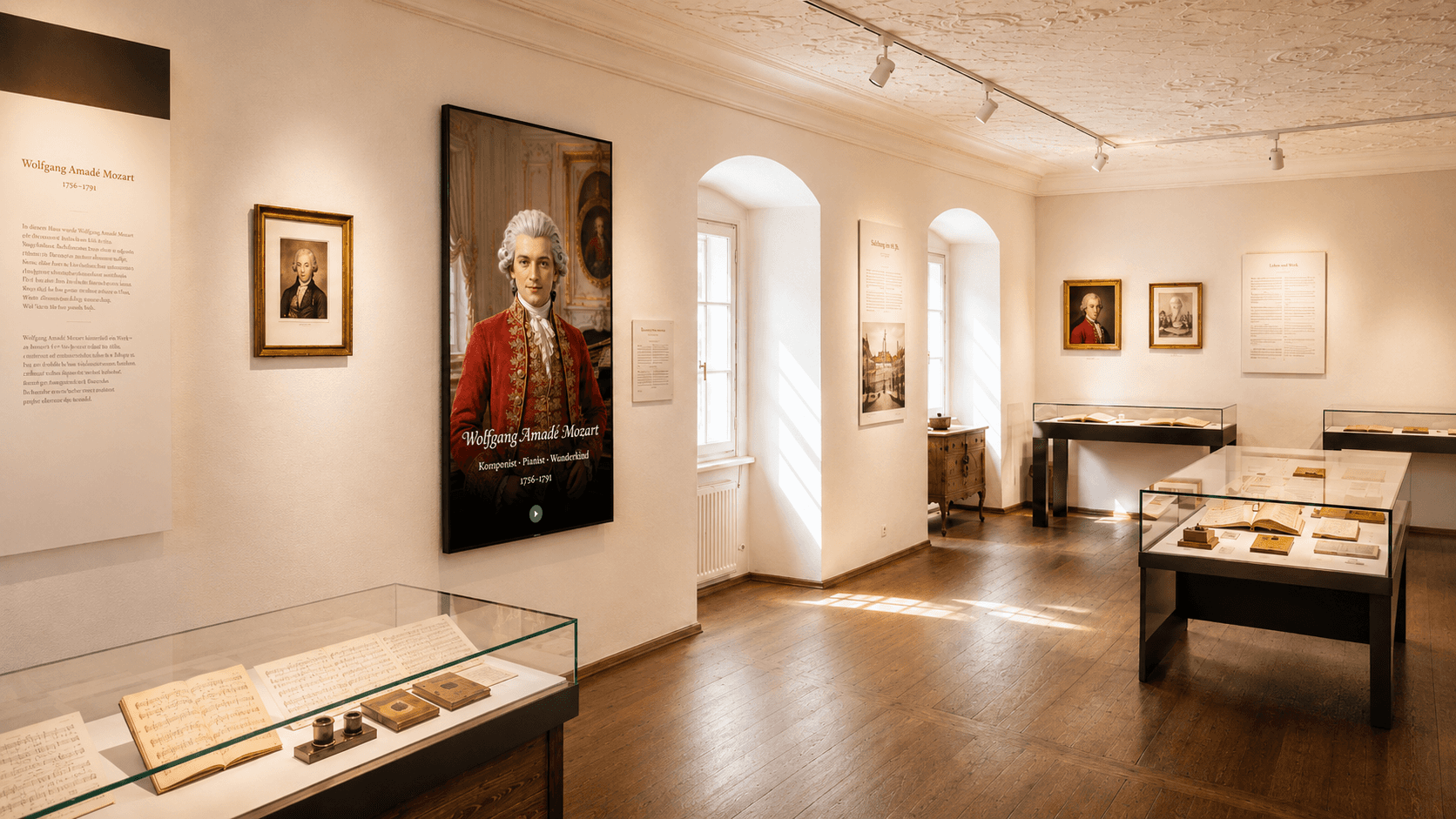
For cities, archives & memorial sites
Why AI experiences delight visitors
Why cultural institutions must act now
The central question is no longer just: “What do we show?” The more important question would be: “How do we create a connection with people who learn differently, search differently, and experience things differently?” Talk to History helps institutions translate cultural heritage into a format that feels natural to today’s visitors: conversational, personalized, multilingual, and accessible at any time.
Attract new target audiences
Reach people who have rarely been attracted to traditional exhibition formats, especially younger visitors, school classes, families, and digital target groups.
Convey knowledge emotionally
Information alone is often not enough. Through dialogue, closeness, understanding, and moments are created that visitors truly remember.
Enable multilingual support
International guests and diverse communities can experience content in their own language without additional barriers.
Increase visit time
Interactive conversations motivate people to stay longer, ask more questions, and delve deeper into topics.
Relieve teams
Recurring questions, orientation, and basic knowledge can be intelligently supported, while your team gains more room for personal guidance.
Making innovation visible
Position your institution as a forward-looking place that not only preserves cultural heritage but actively brings it to life in new ways.
Old School vs. AI Cool
Classic visit vs. Talk to History
Visitors read wall texts
Questions often remain unanswered
Content can quickly seem abstract
An experience for everyone
Language can become a barrier
Visitor interests remain invisible
Young audiences are losing attention
Visitors speak with history
Questions are answered directly
Content becomes personally tangible
Everyone follows their own curiosity
Multilingual dialogues create access
Interests become visible and measurable
Culture becomes active, accessible, and shareable
Any questions?
Here you will find clear answers.
Can the AI only answer based on our content?
Yes. Talk to History can be set up so that answers are based on your verified content, your knowledge base, and your institutional guidelines.
Is this also suitable for smaller museums?
Yes. Smaller institutions in particular can start with a focused theme, a character, or a special object and develop a visible innovation experience from there.
Can sensitive historical topics be depicted?
Yes. Content, tone, and boundaries are defined together. This means even complex or sensitive topics can be communicated responsibly.
Can visitors speak multiple languages?
Yes. Multilingual dialogues make access easier for international visitors, diverse communities, school classes, and educational settings.
How can Talk to History be used?
Yes, Talk to History can be used on screens, in installations, and in digital learning spaces.
Can the video avatars also be used for social media?
Yes. Once developed, a character is a reusable content resource for Instagram, TikTok, YouTube, newsletter campaigns, or online tours. Produced once, played out many times.
How should we get started?
Best with a clear use case: a historical figure, an object, a place, an era, an exhibition, or an educational program.
Discover inventive solutions